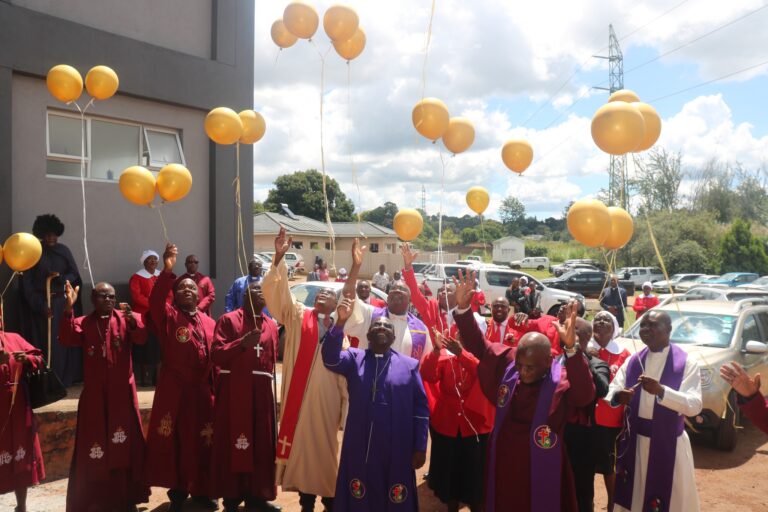
Easter celebrations across the Methodist Church in Zimbabwe began on a deeply spiritual note with Maundy Thursday services held in various circuits, including Mutora. The Thursday evening gathering marked the beginning of the Easter journey, as congregants commemorated the Last Supper through the symbolic washing of feet. This act of humility and service, instituted by Jesus Christ, reminded members of the call to love one another selflessly. The service set a reverent tone for the days that followed, drawing worshippers into reflection on Christ’s sacrifice and the true meaning of discipleship.
As the Easter observances continued, the Methodist Church in Zimbabwe reflected on the powerful message of “Mashoko Manomwe” — the seven last words of Jesus Christ on the cross. These sayings, drawn from the Gospels, were preached and meditated upon as a way of understanding the depth of Christ’s suffering and love:
1. “Father, forgive them, for they do not know what they are doing.” (Luke 23:34)
2. “Truly I tell you, today you will be with me in paradise.” (Luke 23:43)
3. “Woman, here is your son… Here is your mother.” (John 19:26–27)
4. “My God, my God, why have you forsaken me?” (Matthew 27:46)
5. “I am thirsty.” (John 19:28)
6. “It is finished.” (John 19:30)
7. “Father, into your hands I commit my spirit.” (Luke 23:46)
These scriptures were expounded with great depth, encouraging believers to reflect on forgiveness, salvation, care, suffering, fulfilment of scripture, and total surrender to God.
Moreover, there was a notable feature throughout the celebrations, which was how many ministers led by example during praise and worship. Rather than remaining on the sidelines, they actively participated alongside congregants, creating an atmosphere of unity and joy. Some ministers led in the singing of hymnal songs, lifting the spirit of worship through rich, familiar melodies. Others danced with great enthusiasm, echoing the biblical example of King David who rejoiced before the Lord with all his might. In some gatherings, ministers also played musical instruments such as the trumpet (bhosvo), adding a vibrant and celebratory sound to the services. Their involvement inspired congregants and demonstrated that worship is both a personal and collective expression of faith.
In Borrowdale and Greendale circuits, congregants observed Silent Saturday in a solemn and reflective manner. The day, symbolizing the time Christ lay in the tomb, was marked by quiet meditation, prayer, and scripture reading. Members took time to internalize the events of Good Friday, creating a deeply moving atmosphere of anticipation for the resurrection.
At Marlborough, the celebrations were filled with joy and spiritual renewal. One of the key highlights was a message delivered by a youth representative who spoke passionately about the power of the resurrection. The youth emphasized that Christ’s victory over death is a source of hope and transformation for all believers today. The message inspired many, particularly young people, to embrace the new life found in Christ.
Waddilove High School also became a central gathering point, hosting circuits such as Hatfield, Cranborne, Mbare, Mufakose, Dzivarasekwa, and Waddilove. The atmosphere was vibrant, with powerful worship, choral presentations, and sermons that celebrated the risen Christ. The unity displayed among the different circuits reflected the strength and fellowship within the Methodist Church community.
The UK Fellowship also joined in the Easter commemorations, standing in solidarity with the church back home. Their participation highlighted the global connection of the Methodist family, as they too celebrated the resurrection with joy and reverence.
Across all these centres, the message of Easter remained clear — Christ is risen. From the humility of Maundy Thursday to the solemn reflection of the cross and the triumphant joy of the resurrection, the Methodist Church in Zimbabwe experienced a spiritually enriching and unifying celebration that reaffirmed faith, hope, and new life in Christ.
By B. Chamunorwa
About the Author