Honouring our Forerunners in Mission: Marondera District Honours Modumedi Moleli Through Erecting a Tombstone on his Grave
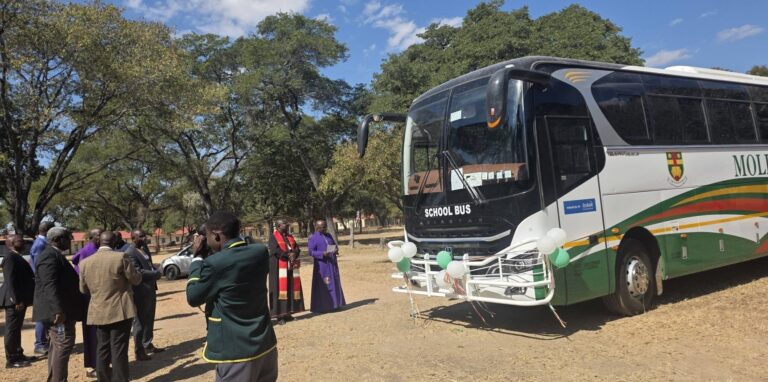
Moleli High School is one of the Methodist Church in Zimbabwe institutions which was established in 1962 and named in honour of one of the pioneers of Methodism from South Africa to Mashonaland (Zimbabwe), Modumedi Moleli. Moleli was a South African teacher and Methodist Evangelist who, in May 1862, together with other eight (8) African Methodist Evangelist volunteered to cross the Limpopo into Mashonaland (Zimbabwe). His missionary work was carried out in the Nenguwo area in Mashonaland East Province.
Moleli was killed during the 1896 uprising when he was selflessly attempting to save a settler’s life. How did this happen? On Sunday the 21st of June 1896, a group of Chiriseri’s men were seen in front of James White’s house in the morning at between 7am and 8am asking for brass wire. Kindly note that James White should not be mistaken for the Revd John White. While the two operated in the same area and shared the same surname, evidence of them being related is not known. James White was a prominent farmer while John White was a minister of religion. James lived at Mendamu farm some 5km to the south west of Nenguwo (Waddilove) mission. The men (Chiriseri’s) killed a settler called Bremmer and later injured James White. Word reached Moleli that James White had been injured. He shared the sad news with his wife and his intention to go, investigate and help James White. His wife refuted to the idea saying that such a move would precipitate action from those who had already threatened them. However, driven by his love, he set off to James White’s homestead (farm). On arrival he found the situation not pleasing and quickly realized that James White would have to be moved to somewhere where he could be cared for. He went back to Nenguwo (Waddilove) to get two oxen for the two wheeled scotch cart on the farm. He also needed help to lift the dying man. Moleli was very much aware of the risks of his actions. He knew that he was being watched by men under orders to kill all foreigners whether they be black or white. Again, his wife had warned him that he was putting himself in great danger by offering this kind of assistance.
As the day progressed, that afternoon James White was in an excruciating pain. He had not had his breakfast since the assassins had arrived early in the morning; he had also lost a lot of blood in the injury and was dehydrated. Before lifting him onto the cart they made him some porridge. Little did Moleli know that Chiriseri’s men were still on an unaccomplished mission. They wanted White dead. The journey to Nenguwo (Waddilove) was very hectic as there was no road, and the track was unmade. Meanwhile a group of armed men led by Chiriseri had made their way to the mission in order to kill White on his arrival. They apprehended Mrs Moleli at the institution (Waddilove) and told her that they could only let her off if she gave them some money. She went into the house and brought them six pounds. When Moleli and James White arrived, they were shot and died on the spot. Two of Moleli’s four children also died as a result of being beaten. Mrs Moleli and her two daughters Paulina and Efa survived and eventually walked into Salisbury (Harare). This is how this man sacrificed his life. He died in an attempt to save other people’s lives. Moleli paid the supreme price for his obedience to Christ. He was a brave man who used his gifts to follow Christ.
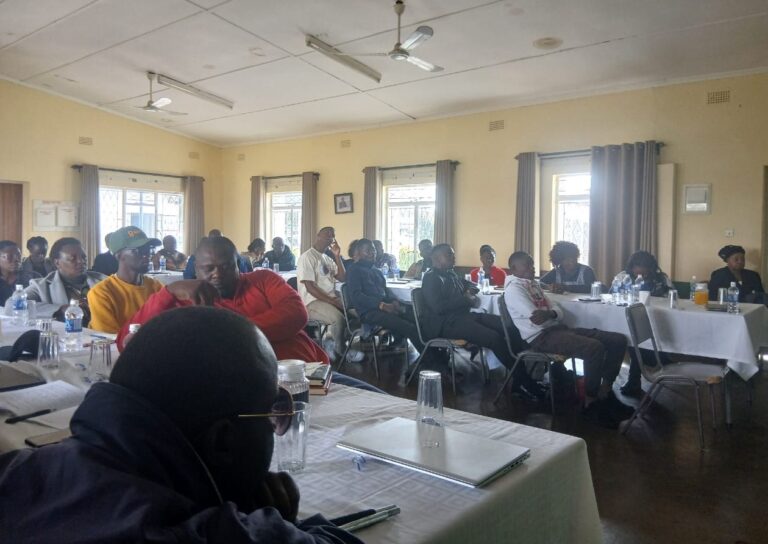
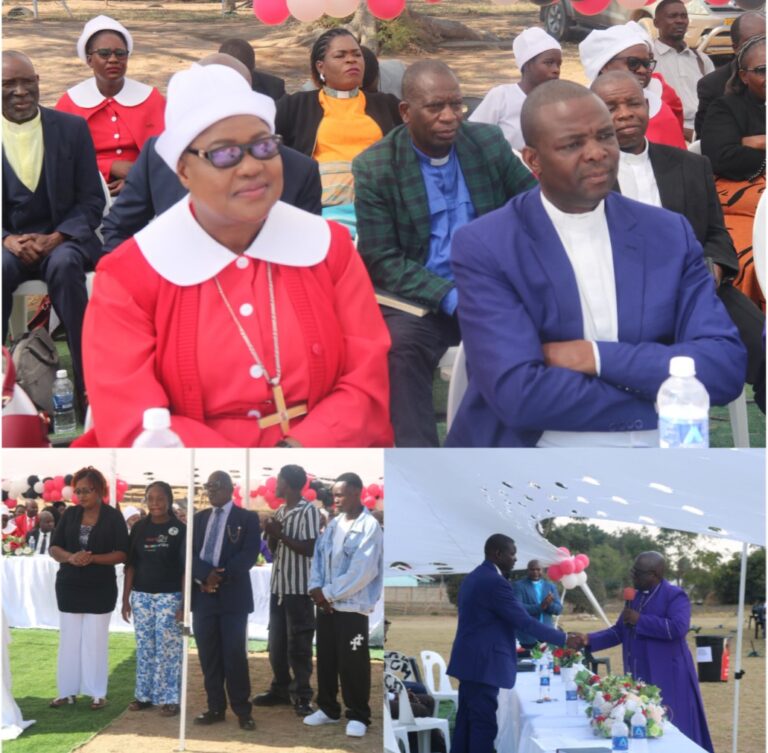
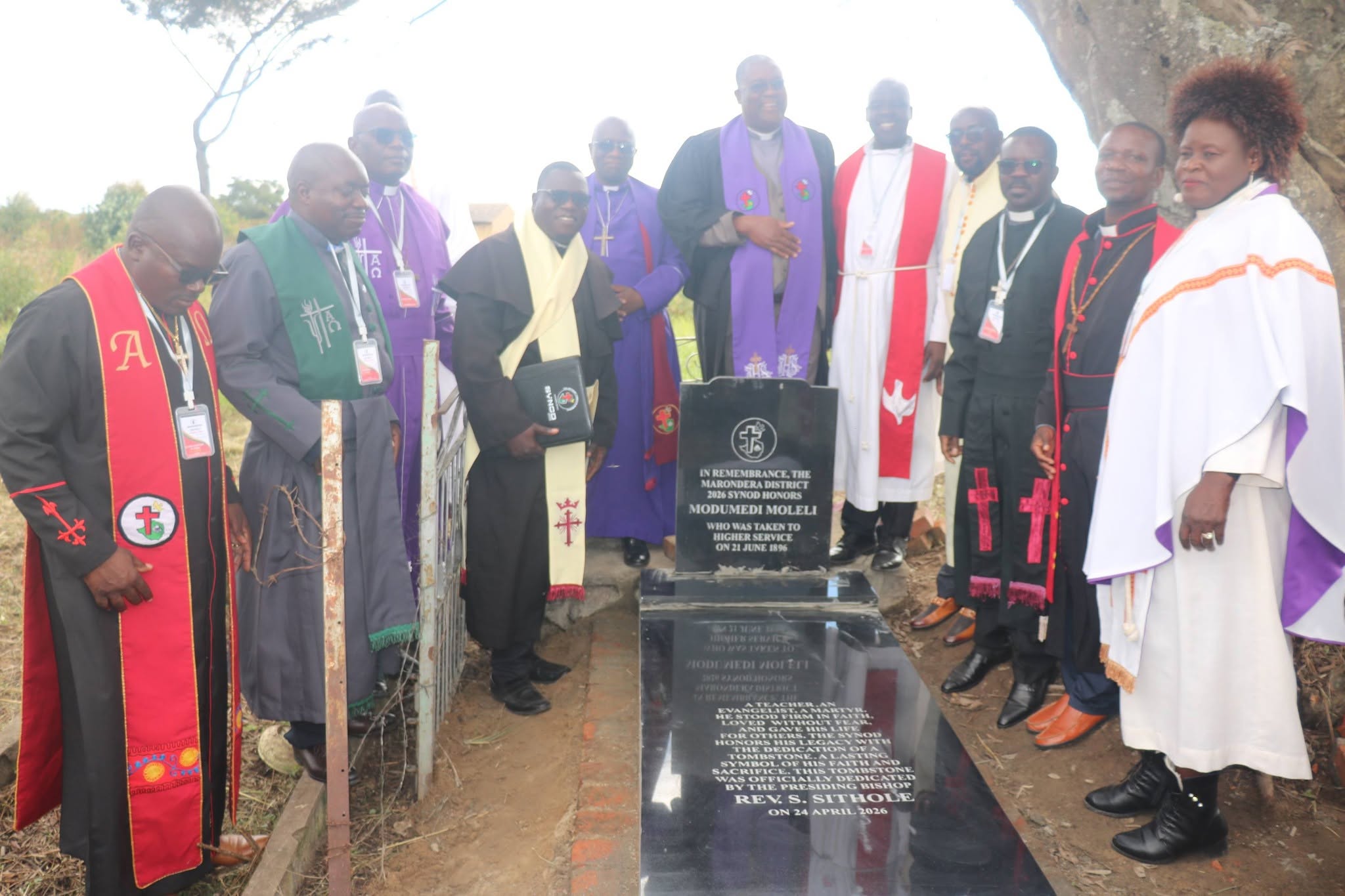
He was buried at Nenguwo Training Institue (currently Waddilove Institute) and his burial site continues to be a sacred monument for the Methodist Church in Zimbabwe. James White was also buried at the same cemetery. However, although all what Moleli did was known and that he had been honoured through the establishment of a Methodist School under his name (Moleli High School), nothing much had been done in an endeavour to make sure that his grave site matches the standard of what is being said about him. It is in this regard that the Marondera District of the Methodist Church in Zimbabwe, under the leadership of Bishop Marshal Madiye, took it upon themselves and erected a tombstone on this iconic man of God’s grave. The tombstone was unveiled by the Presiding Bishop – Revd. S. Sithole – on the sidelines of the District’s 2026 annual synod on the 24th of April 2026. Speaking during the unveiling ceremony, Bishop Madiye highlighted that the event became successful as a result of the support which the District continues to receive from the schools which are housed in the District, i.e. Waddilove schools, Chemhanza schools and Kwenda schools. Giving details of the cemetery where Moleli is buried, Waddilove Schools Principal and former Presiding Bishop Revd. GT Mawire told the gathering that the big ‘red-leaved rock fig tree’ (mutsamvi) that is on the side of the tombstone grew exactly on top of Moleli’s grave. Therefore, now considering the size of the tree, they could not cut it down so as to put the tombstone. In this regard, the tombstone was put on the side of the tree, although on the tree is a plaque that was put by Moleli’s family for remembrance.
The Presiding Bishop Revd. S. Sithole thanked the Marondera District for doing such a good job. He challenged the District to come up with a pool of men and women of valour who can take it upon themselves and upgrade the grave site into a ‘Moleli Memorial Park’. He even challenged the Rev Chagudhuma and his research team to carry out a research on the many other people who are lying (buried) at the same cemetery.
By Revd. O. Chagudhuma
(Media, Research and Publications Coordinator)