The Methodist Church in Zimbabwe has been encouraged to explore the construction of retirement apartments and the development of medical and wellness facilities specifically designed to serve its elderly clergy.
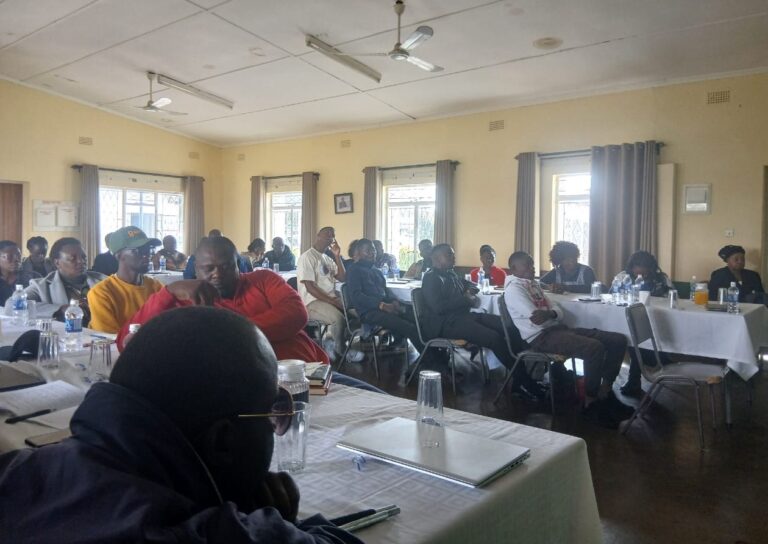
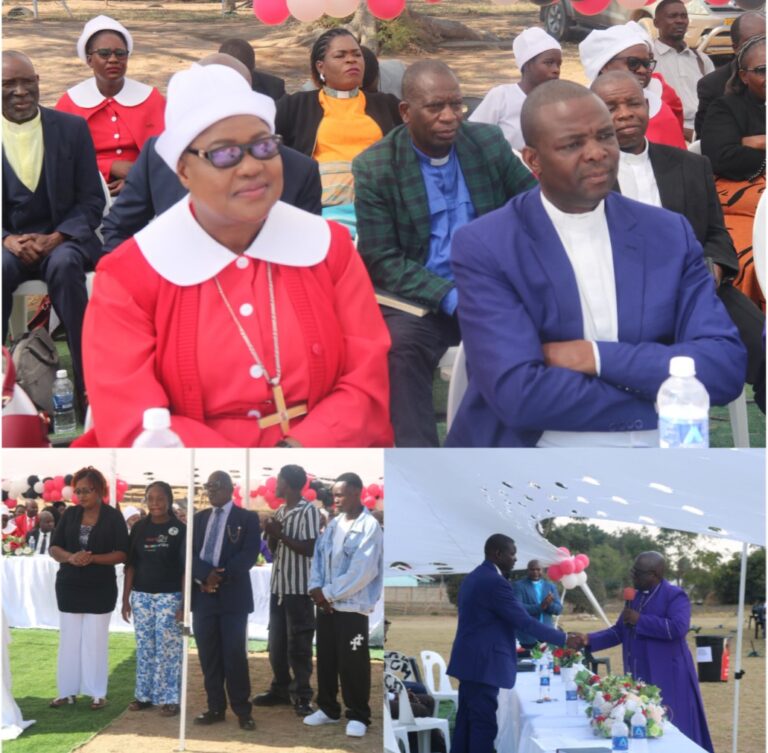
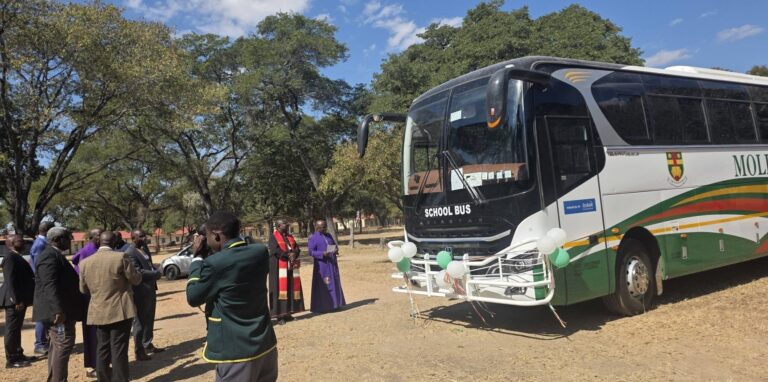
This recommendation was made by Connexional Lay President Mrs Sheila Mashiri during her address at the recently concluded Kadoma District Synod, held at Moleli High School.
Mrs Mashiri also expressed concern for ageing ministers, many of whom face unplanned retirements, declining health, and worsening living conditions.
She suggested, “The church could consider constructing retirement apartments on our land, building medical and wellness facilities that cater for our elderly clergy, especially women, many of whom are single.”
“Only a few are fortunate to have reliable social support networks. Given available resources, our ministers are not expected to become farmers, miners, or entrepreneurs after retirement,” she added.
Mrs Mashiri suggested that it would be prudent for the Methodist Church in Zimbabwe (MCZ) to establish its own comprehensive medical insurance organisation and ambulance fleet to better serve its members.
Mrs Mashiri voiced concern that young people are leaving the church, seeking communities they perceive as more accommodating and focused on miracles and prosperity.
She urged youth pastors, advisors, and leaders to engage in open dialogue with young people, draw inspiration from the historic Wesleyan youth activities at Oxford University, and create relevant, dynamic, and spiritually enriching programs that encourage participation.
She added, “Integrating technology into Bible study, worship, and training activities through a structured approach could help retain and attract more young people.”
Mrs Mashiri said there was a need for the church to develop a strong Christian and Social Responsibility model to strengthen its relationship with the broader society.
She stated, “Our ministers and leaders should consider evangelism and social programs that position the MCZ as a family-oriented and preferred church, particularly for young people. These programs should address the needs of diverse and emerging family structures—such as child-headed, single-parent, and absentee-parent families—against the backdrop of globalisation, competing non-biblical theologies, and social challenges.”
Mrs Mashiri also called for the church to show leadership by providing transformative public services in education, health, wellness, and Bible-based stewardship, aligning with the National Development Strategy (NDS 2) and Sustainable Development Goals (SDGs).
“How does the surrounding community perceive the Methodist Church? We have a vast network of alumni from our schools since 1977; can we develop a framework to encourage them to give back, especially as we prepare to open the Methodist University by August 2027?” she said.
Mrs Mashiri encouraged all Districts to invest in comprehensive lay training.
She noted that the church is considering reviving the lay training portfolio at the Connexional level by next year, highlighting this as a priority for achieving its strategic objectives.
She added, “Issues like membership attrition, indiscipline, unnecessary conflicts between ministers and laity, disregard for church doctrine and ethos, ineffective evangelism, and imprudent resource use may stem from disjointed and non-theologically grounded training. Circuits and Districts could strengthen capacity and promote lifelong learning by developing physical and digital libraries.”
Mrs Mashiri expressed her appreciation for the unwavering commitment shown by all circuits to ministers’ welfare, local infrastructure development, district and Connexional responsibilities, and social obligations.