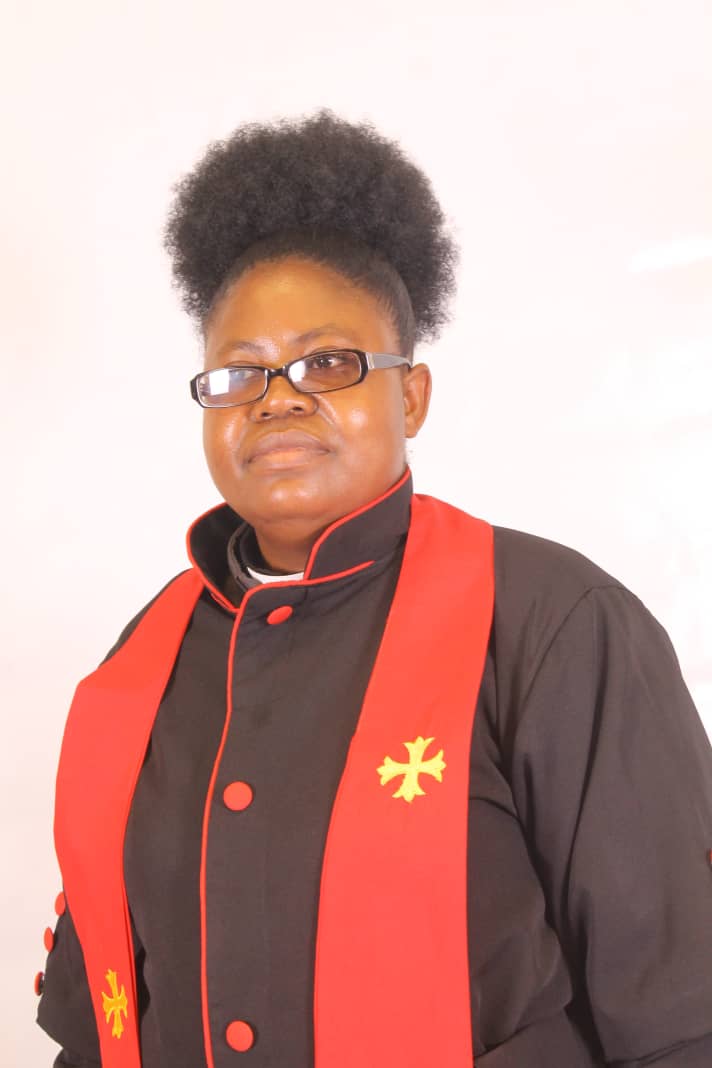
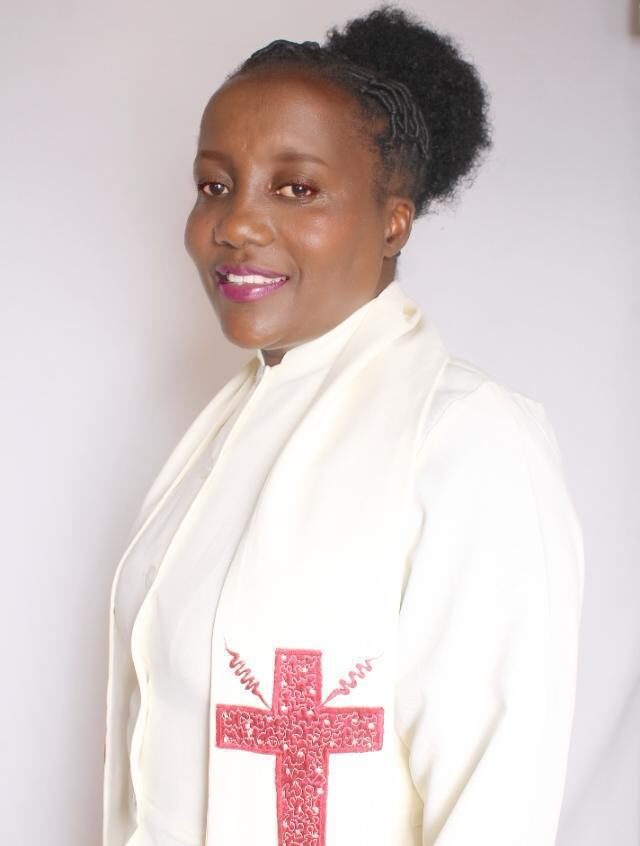
Revd J. Paradza (Safeguarding and Gender Officer)
The journey towards creating safe, inclusive, and equal spaces is not built in a day. It is shaped by conversations, commitments, learning, and courageous decisions to do better for one another. For the Methodist Church in Zimbabwe, this journey has been underway through a growing commitment to safeguarding, gender equality, and disability inclusion.
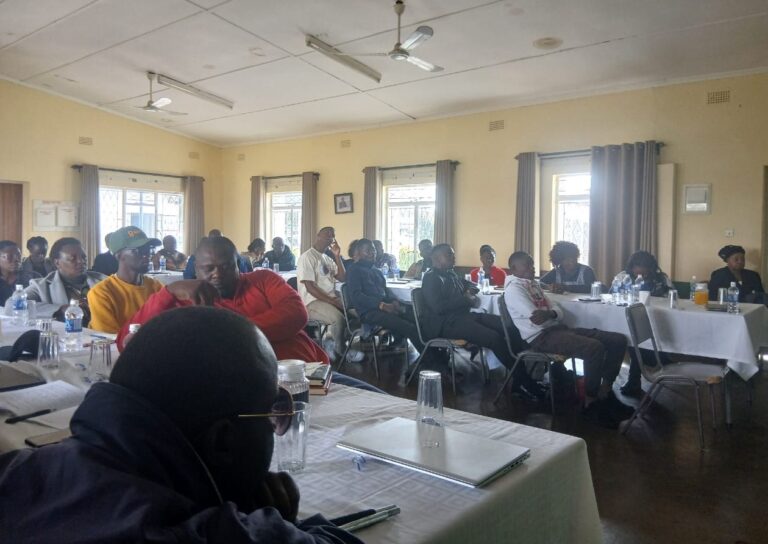
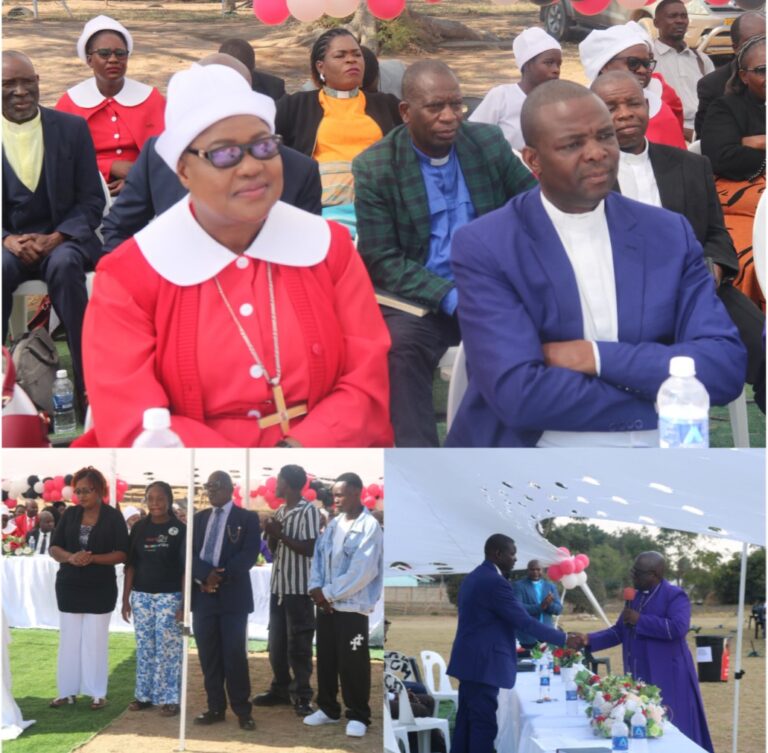
Recently, leaders from the Adult Organisations in Marondera District took an important step on this journey. Following earlier commitments made by Youth Advisors, twenty five (25) Adult Organisation leaders gathered for training and reflection on safeguarding, gender, and disability inclusion before signing the Safeguarding and Disability Inclusion Commitment Statement.
The event was more than a workshop. It became a moment of introspection, retrospection, and renewed purpose.
As discussions unfolded, participants reflected on what it means for the Church to truly be a safe place for all people. A shared conviction emerged: every report of abuse, harassment, exploitation, or discrimination must be taken seriously. Silence cannot protect the vulnerable; listening, responding, and acting can.
One participant remarked that safeguarding is not simply about policies and procedures but about the values that define who we are as a Christian community. The Church must be a place where children are protected, women are respected, men are supported, older persons are valued, and persons with disabilities are welcomed and included fully in worship and community life.
Another important conversation centred on the power of language. Participants acknowledged that words can heal or harm, include or exclude. There was a collective commitment to adopt respectful and inclusive language towards persons with disabilities and towards men, women, boys, and girls alike.
The training also challenged participants to examine long-held stereotypes and assumptions that contribute to inequality and discrimination. Harmful gender norms that discourage vulnerability, reinforce exclusion, or promote violence were openly discussed. In their place, participants committed themselves to promoting dignity, equality, respect, and peaceful relationships within families, communities, and church structures.
Perhaps one of the most powerful reflections of the day was the recognition that men and boys also need safe spaces.
Participants noted that many men carry heavy expectations and responsibilities, often without opportunities to speak openly about their struggles or seek support. Creating spaces where men and boys can share experiences, learn from one another, mentor younger generations, and seek help without fear of judgement was identified as an important priority for the Church.
While church platforms provide valuable opportunities for such conversations, participants recognised that communities, workplaces, sporting environments, and other social spaces can also become places where healthy masculinity, positive parenting, and help-seeking behaviours are encouraged and celebrated.
The signing of the commitment statement marked more than the end of a training session; it symbolised a promise. A promise to listen more carefully, to protect more intentionally, and to include more fully.
As the signatures dried on the commitment forms, one message remained clear: building safe and inclusive spaces is not the responsibility of a few individuals or committees. It is the calling of the whole Church.
The Methodist Church in Zimbabwe continues to move forward in faith and action, seeking to become a community where every person is safe, valued, respected, and empowered to participate fully in the life of the Church and society. For safeguarding is not merely a programme. Inclusion is not merely a policy. Together, they are expressions of the Gospel lived out in community.
By Revd J. Paradza